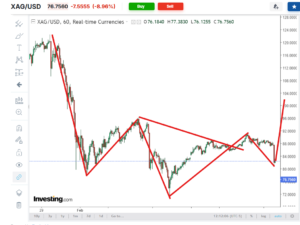
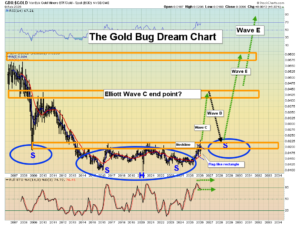
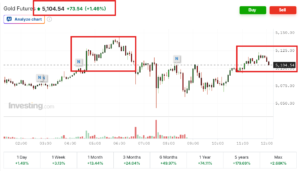
It’s still early, but this is the potential inverse head and shoulders pattern we see developing in the silver charts currently:
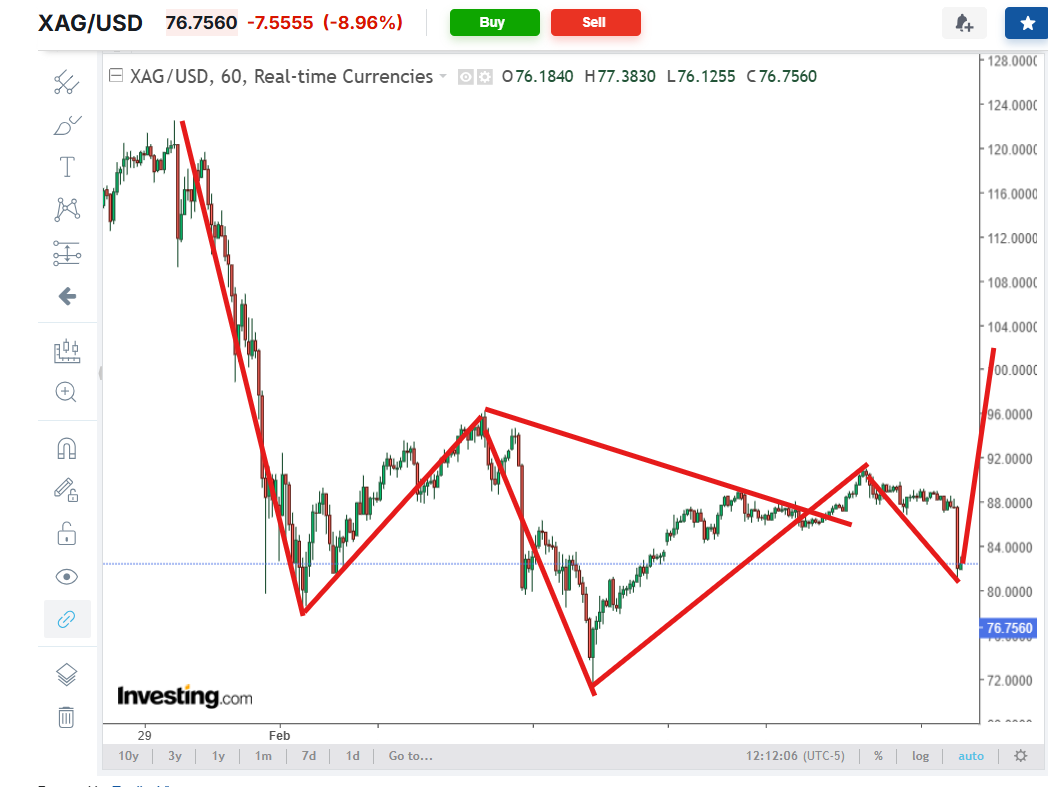
Left shoulder: $74– The initial low around the sharp drop into late January/early February (visible as the first trough after the prior downtrend from ~120+ highs).
Head: $64 The deepest low near the bottom of the sharp V-shaped plunge, forming the lowest point.
Right Shoulder: $75-$76– Today’s pullback low with the price slamming down to test ~$75 before bouncing, which is higher than the head and appears shallower than the left shoulder’s low
Neckline: The connecting highs/resistance appear to form a downward-sloping or roughly horizontal line across the peaks between the troughs (around ~$84–$88 or higher in the recent swings), with the current price action testing lower but showing potential for a breakout if silver reverses upward decisively.
Overall structure: After a strong prior downtrend (from manic highs), the three-trough formation with the middle one lowest fits the classic bullish reversal criteria.
An Inverse Head and Shoulders pattern is a classic bullish reversal setup that can develop after a downtrend: three troughs where the middle one (head) is the deepest/lowest, and the two outer ones (shoulders) are higher than the head but roughly similar to each other.
The confirmation comes when price breaks above the neckline (the resistance line connecting the highs between the troughs), often on increased volume. A higher right shoulder is considered bullish.
This morning’s slam halted at $75- HIGHER than the left shoulder. This indicates progressively weakening selling pressure — bears couldn’t push prices down as far the second time around, showing buyers stepping in earlier and more aggressively at higher levels.
It reflects building bullish momentum even before the neckline breakout, as the market is already making higher lows overall (left shoulder low → head low → right shoulder low that’s higher than left). A modestly higher right shoulder is a constructive sign — it suggests the reversal is gaining steam and can make the setup more bullish than a perfectly symmetrical or lower right shoulder. This is silver we’re talking about, so why should we expect anything different?
A higher right shoulder aligns with the core psychology: diminishing downside conviction, which favors bulls heading into the breakout.
The neckline breakout is the primary trigger — a higher right shoulder is great, but technically we will need a decisive close above the neckline (ideally with volume expansion) to confirm a breakout.