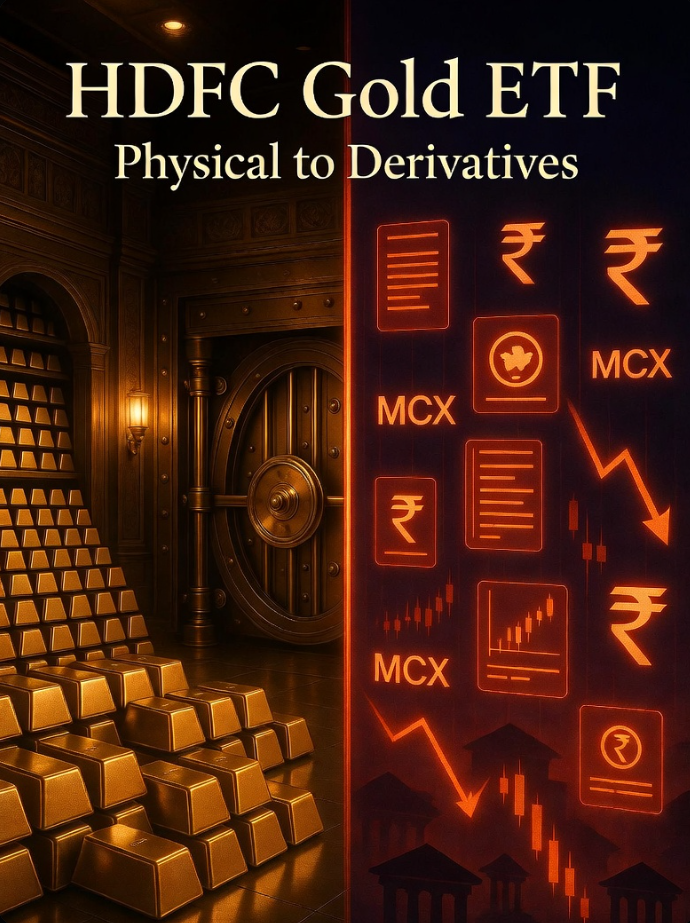
Effective April 22, 2026, the HDFC Gold ETF will allow up to 50% of its net assets in gold-related instruments — specifically Gold Deposit Schemes (GDS), Gold Monetization Schemes (GMS) of banks, and Exchange-Traded Commodity Derivatives (ETCDs) with gold as the underlying.
- Lower storage and insurance costs than vaulted bars.
- Higher liquidity and easier rebalancing.
- Potential for tactical hedging or slight leverage via futures margins.
The fund can now track gold prices more efficiently in a market where physical gold movement is cumbersome and expensive. SEBI’s recent push for domestic spot-price valuation (replacing London LBMA benchmarks) already signals India’s desire to localize its gold pricing.
The Darker Side: Paper Gold and Bullion Bank Power
Here’s where the restructure raises eyebrows. Global gold markets have long been criticized for the massive imbalance between physical metal and paper claims (futures, swaps, OTC derivatives). Bullion banks — JPMorgan, HSBC, Scotia, and others — dominate these markets.
They routinely take large short positions in futures, creating “artificial supply” that caps or suppresses prices even when physical demand is strong.
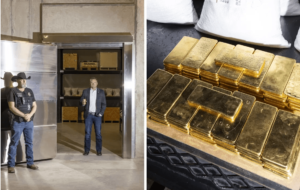
Instead, the ETF can simply roll futures contracts — a move that reduces real-world buying pressure on bullion while amplifying trading volume on MCX.
This is exactly how manipulation works: flood the paper market with contracts, drive spot prices lower (or prevent them from rising), then arbitrage the gap between futures and physical.Indian investors who thought they were buying “digital gold bars” may now unknowingly participate in a leveraged derivatives ecosystem controlled by the same global players repeatedly fined for spoofing and price rigging in Comex and OTC markets.
In short, HDFC’s move aligns the ETF with global “smart” gold products — but it also hands bullion banks a bigger domestic playground to influence India’s gold price.Whether this is prudent evolution or a subtle surrender of physical purity will be tested the next time global banks decide to “manage” the yellow metal.